
Safety at a Glance
What Every Household Should Know.
These guides are written for homeowners and families in Lower Milford Township. Jump directly to any topic below, or scroll through all of them.
Smoke Alarms
Your First Line of Defense
- 1Install alarms on every level of your home, in every bedroom, and outside sleeping areas.
- 2Test alarms monthly using the test button.
- 3Replace batteries at least once a year — or use 10-year sealed-battery models.
- 4Replace the entire alarm every 10 years.
- 5Interconnect alarms so when one sounds, they all sound.
- 6Never remove or disable an alarm because of nuisance trips — move it, don't remove it.
Carbon Monoxide
The Invisible Danger
- 1CO is odorless and colorless — a CO detector is the only warning you will get.
- 2Install detectors within 10 feet of every sleeping area.
- 3Never run a generator, grill, or engine inside a garage, basement, or any enclosed space.
- 4If your CO alarm sounds and anyone feels ill, get outside immediately and call 911.
- 5Have fuel-burning appliances (furnace, water heater, stove) inspected annually.
- 6Replace CO detectors every 5–7 years per manufacturer guidelines.
Home Escape Plan
Two Ways Out of Every Room
- 1Draw a floor plan and mark two exits from every room (door and window).
- 2Choose a meeting place outside — a mailbox, neighbor's driveway, or street corner.
- 3Practice the escape plan with everyone in the household at least twice a year.
- 4Make sure windows open fully and that everyone can operate them.
- 5If using a second-story window, consider a collapsible escape ladder.
- 6In a fire: get low, stay below the smoke, and get out fast. Never go back inside.
Rural Fire Safety
What's Different Out Here
- 1Response times in rural areas can be 10–20 minutes or longer — your actions in the first minutes matter most.
- 2Address your property clearly. Mount your address number at the road, not just on the house.
- 3Keep driveways accessible: 12 feet wide minimum pass to allow our fire trucks through.
- 4Our township does not have fire hydrants so we establish a water tanker shuttle to bring water to the fire.
- 5Maintain a defensible space around structures: clear 30 feet of flammable vegetation.
- 6Brush piles and debris near structures are extreme fire hazards. Dispose of them properly.
- 7Follow the township burn ordinance.
Emergency Preparedness
Ready Before the Emergency
- 1Pay attention to severe weather alerts.
- 2Build a go-bag: 3-day supply of food and water, medications, documents, and flashlight.
- 3Know multiple routes out of your neighborhood in case roads are blocked.
- 4Sign up for Lehigh County emergency alerts (Crisis24 by CodeRed) at lehighcounty.org.
- 5Keep at least a half-tank of gas in your vehicle at all times.
- 6Have a family communication plan — a designated out-of-area contact everyone can call.
- 7Store important documents (insurance, deeds, IDs) in a fireproof safe or off-site.
Lower Milford Township Ordinance
Open Burn Ordinance
Outdoor burning in Lower Milford Township is regulated by township ordinance. Before lighting any fire — bonfire, brush pile, yard debris — you are required by ordinance to notify the Lehigh County 9-1-1 Communications Center.

Call Before You Burn — Required by Ordinance
Contact the Lehigh County 9-1-1 Communications Center (non-emergency line) before starting any outdoor fire, and call back when your fire is completely extinguished.
Lower Milford Township Open Burn Ordinance
Official township document — view or download the full ordinance (PDF)
What You May Burn
- ✓ Yard waste — leaves, grass clippings, tree trimmings, and garden residue
- ✓ Clearing and grubbing wastes — trees, shrubs, and native vegetation cleared from land
- ✓ Domestic refuse in a non-combustible receptacle (call-in not required for this)
- ✓ Recreational and ceremonial fires
- ✓ Agricultural fields (requires prior registration with the Township Office)
Not Permitted
- ✗ Poison ivy, sumac, oak, or other poisonous vegetation
- ✗ Appliances, furniture, mattresses, or carpets
- ✗ Demolition waste — insulation, shingles, or siding
- ✗ Plastics, paint, solvents, or tires
- ✗ Treated or painted wood
- ✗ On Sundays, legal holidays, before dawn, or after dusk (except recreational/ceremonial fires)
- ✗ On public roads, swales, curbs, or drainage systems
Requirements
- → At least 50 feet from any building, structure, or wooded area
- → Attended at all times with extinguishing equipment ready for use
- → No more than 10 cubic yards of waste at one time
- → Agricultural field burns require prior registration with the Township Office
Know Your Options
When to Call 9-1-1
Always Call 9-1-1
- → Any visible fire or smoke
- → Carbon monoxide alarm activation
- → Person trapped or unconscious
- → Vehicle accident with injuries
- → Active gas leak or fuel spill
- → Any life-safety emergency
Non-Emergency Line
(610) 967-0411 — Use for general questions, non-urgent fire company business, or to report a hazard that is not an active emergency.
- → Requesting a fire inspection
- → Questions about burn ordinance
- → Reporting debris on a road (non-emergency)
- → Fire safety information requests
If in Doubt
It is always better to call 9-1-1 and have us respond unnecessarily than to wait too long. Fires double in size every 60 seconds.
Call first. Ask questions later.
One More Tool
Keep a Fire Extinguisher in Your Kitchen
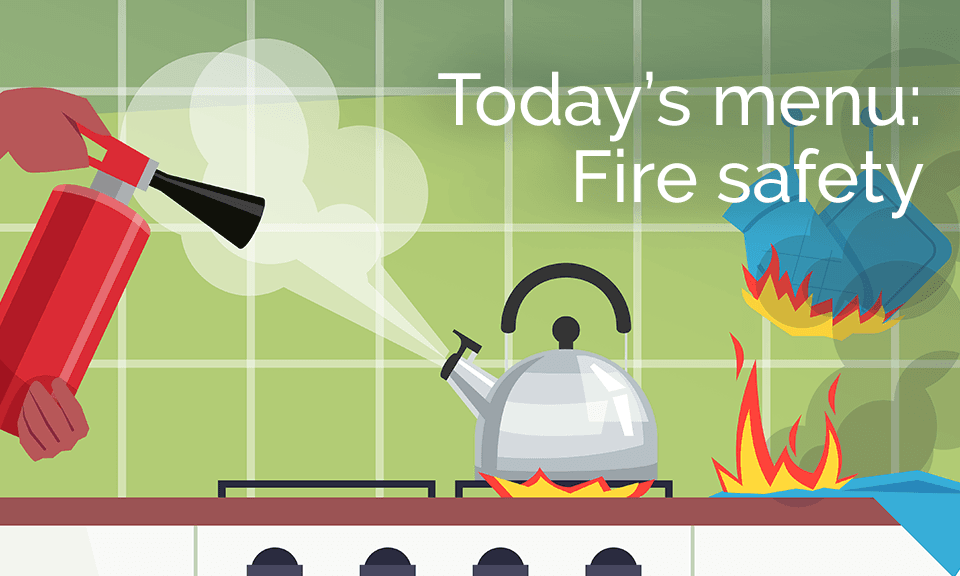
A 2.5-lb or 5-lb ABC extinguisher mounted near the kitchen exit (not over the stove) can stop a small cooking fire before it becomes a structure fire. Use the PASS technique: Pull the pin, Aim at the base of the fire, Squeeze the handle, Sweep side to side.
Important: If the fire is larger than a wastebasket, is spreading, or you feel unsafe — get out and call 9-1-1.
Have a Safety Question?
Our members are happy to help with fire safety questions and community education. Reach out through our Connect page.
Contact Us